
أفضل مادة لنعل الحذاء لتحقيق أقصى قدر من الراحة والمتانة
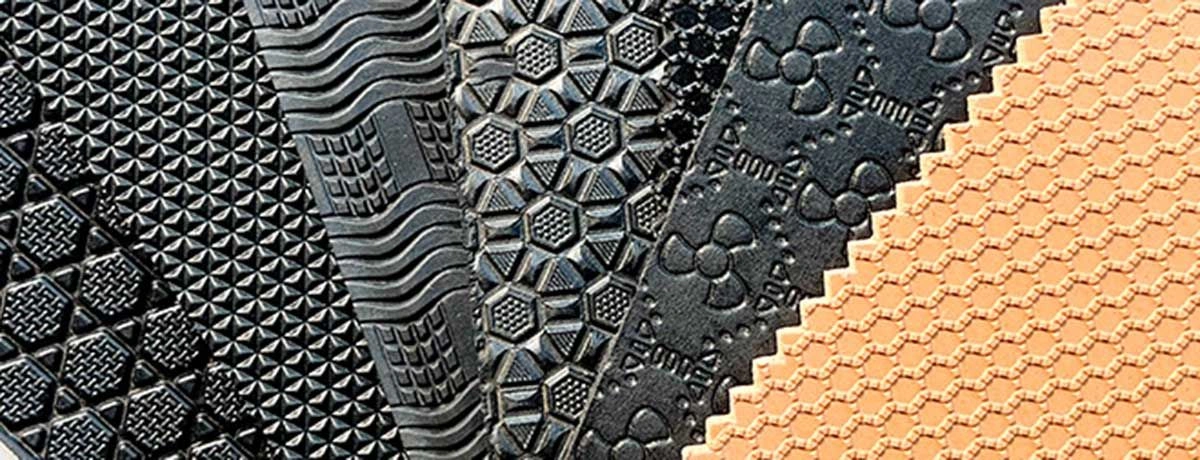
تؤدي نعال الأحذية وظائف أكثر مما يدركه معظم الناس. فهي تمتص الصدمات، وتوفر ثباتًا على الأسطح، وتقاوم التآكل، وتُضفي إحساسًا مميزًا على الحذاء - ومع ذلك، غالبًا ما يتم اختيار المادة المستخدمة بسرعة، بناءً على العادة أو السعر فقط. في عام 2025، بلغ حجم سوق مواد نعال الأحذية العالمي 27.5 مليار دولار أمريكي، مدفوعًا بالطلب في قطاعات الرياضة والصناعة والأزياء. لكل من المطاط، وإيثيلين فينيل أسيتات (EVA)، والجلد، والبولي يوريثان (PU)، والداينيت، والكريب دور محدد. اختيار المادة الخاطئة سيؤدي إلى زيادة التكلفة، وتقليل عمر المنتج، وإحباط المستخدمين النهائيين. يغطي هذا الدليل جميع هذه المواد الست - الأداء، والقيود، ومتى يُستخدم كل منها.
الوجبات السريعة الرئيسية
- بلغ حجم سوق مواد النعل العالمية 27.5 مليار دولار في عام 2025، حيث استحوذت مادة EVA على 40% من حجم السوق.
- تزن نعال EVA ما بين 60 و70% أقل من المطاط، لكنها تفقد قدرتها على امتصاص الصدمات بعد حوالي 500 كيلومتر من الاستخدام.
- أطراف مطاطية للأحذية الخارجية وأحذية السلامة؛ أطراف من البولي يوريثان في التطبيقات الصناعية لمقاومة الزيوت والمواد الكيميائية
- يُعدّ المطاط الكريب الخيار الوحيد القابل للتحلل الحيوي بالكامل، وهو أمر ذو أهمية بالغة مع نمو الطلب على الأحذية المستدامة بمعدل نمو سنوي مركب قدره 6.2% حتى عام 2032.
مقارنة بين النعال المطاطية والجلدية للاستخدام اليومي للأحذية.
ما هي الأنواع الرئيسية لمواد نعال الأحذية؟
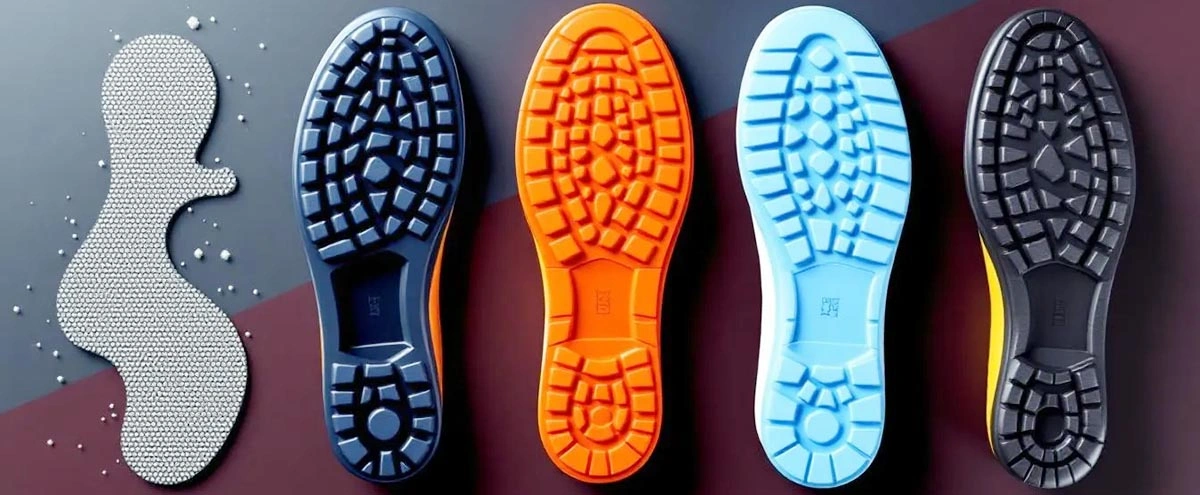
تُغطي ست مواد معظم سوق الأحذية العالمي: المطاط، وإيثيلين فينيل أسيتات (EVA)، والجلد، والبولي يوريثان، والداينيت، والكريب. ويستحوذ المطاط على الحصة الأكبر من الإيرادات بقيمة 5.0 مليارات دولار أمريكي في عام 2024، بينما يستحوذ إيثيلين فينيل أسيتات على 40% من حجم المبيعات بفضل هيمنته على الأحذية الرياضية والعادية. ويُعد فهم التركيب الكيميائي الأساسي لكل مادة نقطة انطلاق أساسية لأي قرار يتعلق بالتوريد.
نعال من المطاط
المطاط عبارة عن مادة لاتكس طبيعية أو صناعية مُعالجة بالحرارة، وهو كثيف ومرن ومقاوم للتآكل بدرجة عالية. يوفر ثباتًا أفضل وتماسكًا موثوقًا على مختلف الأسطح، من الخرسانة الرطبة إلى الأرضيات الزيتية والحصى المتناثر، خاصة في الظروف القاسية. لكن يعيبه الوزن الزائد. عادةً ما تضيف النعال المطاطية ما بين 200 و300 غرام إلى وزن الحذاء النهائي، وهو أمر مهم في الأحذية الرياضية والعادية، ولكنه غير ذي أهمية في أحذية العمل أو أحذية المشي لمسافات طويلة.
بحسب ما لاحظناه في طلبات الجملة، فإن النعال المطاطية في الاستخدام الصناعي اليومي الشاق تدوم من ضعفين إلى ثلاثة أضعاف مدة نعال EVA قبل أن تظهر عليها علامات تآكل ملحوظة. يُعد المطاط أقوى مادة متوفرة لنعال الأحذية، لذا فهو يقاوم التآكل والتمزق، ويقل احتمال تمزقه مع الاستخدام المطول. ولأنه يدوم لفترة أطول بكثير من EVA، فإن المطاط أكثر فعالية من حيث التكلفة على المدى الطويل. ولهذا السبب، يُنصح باستخدام المطاط بشكل افتراضي في الأحذية الخارجية، وأحذية السلامة، والأحذية الصناعية.
نعل EVA
مادة EVA (أسيتات فينيل الإيثيلين) هي رغوة ذات خلايا مغلقة. تتراوح كثافتها بين 0.15 و0.25 غ/سم³، أي أخف بنسبة 60-70% تقريبًا من المطاط. هذه الميزة في الوزن تُترجم مباشرةً إلى راحة ودعم للقدمين، خاصةً عند ارتدائها لساعات طويلة. تمتص مادة EVA الصدمات جيدًا في البداية، لكن المشكلة تكمن في التدهور: تشير الأبحاث في هذا المجال إلى أن مادة EVA تمتص الصدمات بشكل جيد. مجلة الميكانيكا الحيوية أظهرت الدراسات أن ذروة الضغط على باطن القدم تتضاعف بعد 500 كيلومتر من الجري، وأن التلف الهيكلي المرئي (ثقوب في الإسفنج، تجعد السطح) يظهر بعد 750 كيلومترًا. بالنسبة للأحذية غير الرسمية التي تُلبس لبضع ساعات يوميًا، يُعدّ إسفنج EVA مناسبًا للاستخدام اليومي. مع ذلك، في ظل الاستخدام المطوّل واليومي، يحتاج إلى استبدال أكثر تكرارًا من النعال المطاطية، حيث يتراوح عمر التبطين في التطبيقات الرياضية التي تتطلب مسافات طويلة عادةً بين 6 و12 شهرًا.
نعال جلدية
تُصنع النعال الجلدية التقليدية من جلود الأبقار المدبوغة نباتيًا. في الأحذية الجلدية، تتشكل تدريجيًا لتناسب شكل القدم مع مرور الوقت، مما يوفر مقاسًا مثاليًا يناسب الأحذية الرسمية والأحذية المصممة خصيصًا. كما أنها أكثر تهوية من أي بديل صناعي، مما يُعزز الراحة والدعم أثناء ارتدائها لفترات طويلة في المناسبات الرسمية. لكن يعيبها أمران: انزلاقها على الأسطح المبللة، وتشققها إذا لم تُعتنى بها بانتظام. لذا، يُنصح باستخدام النعال الجلدية في الأحذية الرسمية التي تُلبس على أرضيات جافة، وليس في الأحذية الخارجية أو في المناخات الرطبة إلا إذا كانت مزودة بأغطية مطاطية لأصابع القدم والكعب.
نعال PU
البولي يوريثان مادة اصطناعية تُعدّ الخيار الأمثل عندما تجتمع المتانة والمقاومة الممتازة للزيوت والمواد الكيميائية. تُظهر النعال الخارجية المصنوعة من البولي يوريثان الحراري (TPU) معاملات احتكاك أعلى من 1.0 على معظم أسطح الاختبار، متفوقةً بذلك على مركبات المطاط التقليدية (BR وSBR) في اختبارات التآكل القياسية. صحيح أن البولي يوريثان أثقل وأكثر صلابة من الإيثيلين فينيل أسيتات (EVA)، إلا أنه يتحمل المواد الكيميائية والزيوت والضغط المتكرر لفترة أطول بكثير. تبرز أهمية البولي يوريثان في أحذية العمل وأحذية السلامة. لكنه لا يُناسب الأحذية الرياضية الخفيفة، إذ تتأثر مرونته، وقد تبدو بعض مركبات البولي يوريثان/البولي فينيل كلوريد (PVC) أكثر صلابة من الإيثيلين فينيل أسيتات.
نعال داينيت
داينيت مركب مطاطي خاص تصنعه شركة هاربورو رابر في إنجلترا. يتميز بنمط حواف مرصعة تعمل على تصريف الماء والحطام بعيدًا عن سطح التلامس. تُستخدم نعال داينيت الخارجية بكثرة في الأحذية الرسمية وأحذية الريف البريطانية الصنع، لأنها تمنح الأحذية الجلدية أداءً ممتازًا في مختلف الظروف الجوية دون تغيير مظهرها. وهي أكثر صلابة من نعال EVA أو الكريب، لذا فهي تناسب الأحذية ذات التصميم المتين أكثر من الأحذية الكاجوال.
نعال الكريب
الكريب هو مطاط طبيعي غير مُفلكن - ناعم، مرن قليلاً، ومرن بطبيعته، مما يجعله مريحًا للاستخدام اليومي والارتداء غير الرسمي من أول خطوة. يُستخرج من أشجار المطاط دون مرحلة التصليد المستخدمة في إنتاج المطاط التقليدي. والنتيجة هي نعل يمتص الصدمات جيدًا ويمنح شعورًا بالراحة تحت القدم فورًا، دون الحاجة إلى فترة تليين. كما أنه المادة الوحيدة القابلة للتحلل الحيوي في هذه القائمة: فعملية استخراج عصارة اللاتكس تسمح للأشجار بالاستمرار في النمو وامتصاص ثاني أكسيد الكربون، مما يجعل المطاط الطبيعي محايدًا للكربون بشكل فعال. يتآكل الكريب أسرع من المطاط المُفلكن على الأسطح الحضرية الصلبة، ولكنه يُعد خيارًا ممتازًا للأحذية غير الرسمية التي تركز على الراحة.
ما هي أفضل مادة لنعل الحذاء من حيث الأداء؟
تُناسب أنواع النعال المختلفة استخداماتٍ مُختلفة. فالمطاط يتفوق في المتانة والثبات، بينما يتفوق EVA في التوسيد والوزن، أما PU فيتفوق في مقاومة المواد الكيميائية. يعتمد الخيار الأمثل على نوع الحذاء، ومستوى نشاط المستخدم، والسعر المُستهدف، إذ يُمكن لاختيار النعل المُناسب أن يُحدث فرقًا كبيرًا في الراحة والمتانة والثبات.
|
الخامة |
المتانة |
توسيد |
جر |
الوزن |
النتيجة البيئية |
التكلفة النموذجية |
|---|---|---|---|---|---|---|
|
مطاط |
★ ★ ★ ★ ★ |
★★★ |
★ ★ ★ ★ ★ |
ثقيل |
★★★ |
متوسط |
|
EVA |
★★★ |
★ ★ ★ ★ ★ |
★★★ |
خفيف |
★★★ |
منخفض |
|
جلد |
★★★★ |
★★★ |
★★ |
متوسط |
★★★★ |
مرتفع |
|
PU |
★ ★ ★ ★ ★ |
★★★★ |
★★★★ |
متوسط |
★★ |
متوسط |
|
داينيت |
★★★★ |
★★★ |
★★★★ |
متوسط الثقل |
★★★ |
مرتفع |
|
كريب |
★★★ |
★★★★ |
★★★ |
متوسط خفيف |
★ ★ ★ ★ ★ |
متوسط |
تقييمات مقارنة عبر ستة أبعاد أداء رئيسية. المصدر: بيانات اختبار المنتجات الداخلية لشركة MH.
المتانة وطول العمر
يتصدر المطاط والبولي يوريثان هذه القائمة، وبفارق كبير. يتميز المطاط ببنية جزيئية تقاوم التآكل السطحي على الخرسانة والحصى والأرضيات الصناعية الخشنة باستمرار على مر سنوات الاستخدام. أما البولي يوريثان فيضيف مقاومة كيميائية إضافية، وهو أمر عملي في بيئات التصنيع حيث تحمل الأرضيات الزيوت أو الشحوم أو مواد التنظيف.
يقع الجلد في المنتصف. فهو يدوم لسنوات مع العناية المناسبة، لكنه يتلف بسرعة عند إهماله أو تعرضه للرطوبة. أما مادة EVA والكريب، فهما الأقل عمراً في ظل الاستخدام اليومي المكثف، لذا فهما الخيار الأمثل للأحذية التي تُعطي الأولوية للراحة، وليس للأحذية التي تتطلب متانة عالية.
الراحة والتبطين
يهيمن EVA على صناعة الأحذية. فبنيته الرغوية تمتص الصدمات وتحسن امتصاصها بمستوى لا يُضاهى بالجلد والمطاط إلا بإضافة طبقات في النعل الأوسط. ولذلك، تستخدم جميع أحذية الجري تقريبًا اليوم مادة EVA أو مركبًا مشتقًا منها في النعل الأوسط. ويأتي الكريب في المرتبة الثانية، فهو أكثر نعومة من المطاط، ويتمتع بمرونة طبيعية لا تُحاكيها المواد الاصطناعية جيدًا. كما يوفر البولي يوريثان توسيدًا جيدًا، ويحافظ على شكله لفترة أطول من EVA تحت الأحمال الثقيلة أو المتكررة، وهو أمر مهم في أحذية العمل، مع العلم أن الراحة طويلة الأمد تعتمد أيضًا على دعم القدمين.
مقاومة الجر والانزلاق
تستمد النعال المطاطية ثباتها من معامل احتكاكها العالي وتنوع أنماط النقوش المتوفرة، مما يمنحها ثباتًا أفضل وجرًا موثوقًا على مختلف الأسطح، ما يجعلها مثالية للمغامرات الخارجية والظروف الرطبة. الأرضيات المبللة، والطين، والحصى - يؤدي المطاط أداءً ثابتًا. أما نقش داينيت المرصع فيتعامل مع تضاريس مماثلة، وهو مناسب للأحذية الرسمية. تتميز النعال الجلدية بأقل قدر من الثبات في هذه المجموعة، فهي زلقة عند البلل، وتوفر ثباتًا ضئيلاً على البلاط الأملس. لذا، إذا كان الاستخدام النهائي يتضمن أسطحًا غير متوقعة أو مبللة، فإن استخدام الجلد كنعل خارجي أساسي يُعدّ عيبًا.
الوزن والمرونة
يُعدّ EVA بكثافة 0.15-0.25 غ/سم³ الخيار الأخفّ بفارق كبير. كما يُعدّ الكريب خفيفًا أيضًا. أما المطاط فهو الأثقل، وهو أمر مقبول تمامًا في الأحذية الطويلة وأحذية الأنشطة الخارجية، ولكنه ذو أهمية في الأحذية الرياضية أو الأحذية اليومية غير الرسمية. وينطبق النمط نفسه على المرونة: يتميز كل من EVA والكريب بسهولة الانثناء، بينما يكون المطاط والبولي يوريثان أكثر صلابة، ويصبح الجلد أكثر ليونة تدريجيًا مع الاستخدام على مدى أسابيع.
تأثير بيئي
يشهد سوق الأحذية المستدامة نموًا سنويًا مركبًا بنسبة 6.2%، ومن المتوقع أن يصل حجمه إلى 15.9 مليار دولار أمريكي بحلول عام 2032. ويُعدّ مطاط الكريب الخيار الأمثل في هذا المجال، فهو قابل للتحلل الحيوي، ومتجدد، ومحايد للكربون طوال دورة إنتاجه. أما الجلد الطبيعي، فيتميز بقابلية معقولة للتحلل الحيوي، ولكنه يتطلب تكلفة معالجة عالية في عملية الدباغة. بينما تُشتق مواد EVA وPU الاصطناعية من البترول، ولا تتحلل حيويًا بشكل فعّال في مكبات النفايات.
هل يستحق هذا الأمر التفكير فيه على مستوى التوريد؟ نعم، السوق يؤكد ذلك. يطلب مشترو الشركات بشكل متزايد وثائق منشأ المواد، لا سيما في الأسواق الأوروبية.
فعالية التكلفة
تتفوق مادة EVA من حيث التكلفة الأولية، فهي أرخص مادة في التشكيل والتصنيع، مما يفسر حصتها السوقية البالغة 40%. بينما تُعدّ معالجة المطاط والبولي يوريثان أكثر تكلفة، إلا أنهما يدومان لفترة أطول. في أحذية السلامة أو أحذية العمل، غالبًا ما تكون التكلفة الإجمالية للاستخدام الشهري لصالح المطاط أو البولي يوريثان على الرغم من ارتفاع سعر الشراء. أما الجلد ومادة داينيت، فتُعتبران خيارًا مناسبًا للأحذية الرسمية أو التراثية، حيث يدعم السعر هامش الربح.
ما هو النعل الأنسب لكل نوع من أنواع الأحذية؟
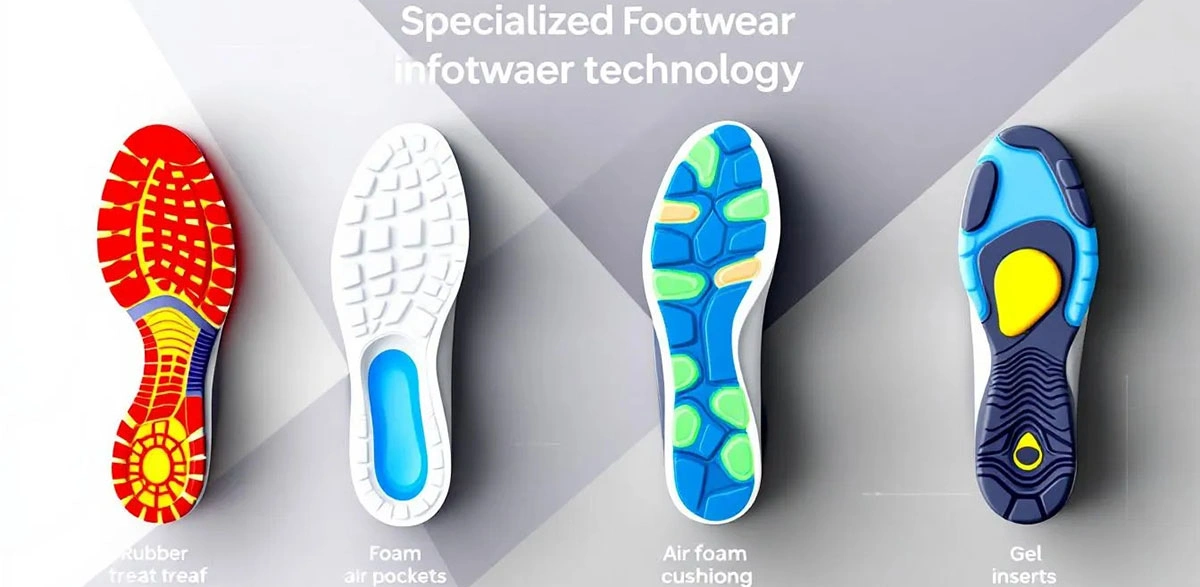
بالنسبة لعلامات الأحذية التجارية التي تنتج أيضًا حقائب الظهر أو الأمتعة أو حقائب العمل، يجب مطابقة النعال الخارجية مع ما يقابلها. ملحقات الحقائب والأمتعة (السحابات والعجلات والمقابض وألواح الجلد الصناعي) تساعد في الحفاظ على الأداء والجماليات المتسقة عبر خط الإنتاج بأكمله.
النعل المناسب لحذاء الجري غير مناسب لحذاء رسمي، وغير مناسب أيضاً لحذاء السلامة. يؤثر نوع النشاط ونوع السطح والشكل على القرار بشكل مختلف لكل فئة من فئات الأحذية.
عرض عملي لاختيار وربط نعال المطاط و EVA في صناعة الأحذية.
أحذية رياضية
يُعدّ EVA المعيار الأمثل لأحذية الجري والتدريب والرياضات الخفيفة. فهو يُحافظ على خفة وزن الحذاء ويمتص الصدمات المتكررة التي تتطلبها الأنشطة الرياضية، مما يجعل الأحذية المصنوعة من EVA خيارًا مثاليًا للاستخدام اليومي والأنشطة الرياضية الخفيفة. تستخدم معظم العلامات التجارية الكبرى لأحذية الجري أنواعًا خاصة بها من EVA - مثل الفيلون المضغوط، ورغوة Boost، وReact - ولكن التركيب الكيميائي الأساسي يبقى EVA في جميع الحالات.
في الرياضات التي تُمارس على الملاعب الصلبة أو الجري على الطرق الوعرة، حيث تُعدّ قوة التماسك بنفس أهمية التوسيد، يُعتبر النعل الخارجي المطاطي المُلصق بنعل أوسط من مادة EVA الحل الأمثل. فهو يجمع بين خفة وزن مادة EVA وفوائد التوسيد، مع قوة تماسك المطاط على سطح الحذاء عند ملامسته للأرض، مما يُضيف دعمًا وثباتًا في المناطق التي يكون فيها التماسك أكثر أهمية. كما يُعدّ هذا المزيج شائعًا للاستخدام المطوّل عندما يحتاج الرياضيون إلى التوسيد بالإضافة إلى متانة النعل الخارجي.
أحذية العمل
تُغطي النعال المطاطية نطاقًا واسعًا من بيئات العمل، وهي شائعة الاستخدام في أحذية العمل وأحذية المشي لمسافات طويلة، مثل الأرضيات الخرسانية، والشبكات المعدنية، والأسطح المعالجة كيميائيًا، والمناطق الزيتية. أما في البيئات التي تُعد فيها مقاومة الزيوت والمواد الكيميائية شرطًا أساسيًا للسلامة، فإن معظم معايير السلامة المهنية تُحدد استخدام نعال من البولي يوريثان (PU) أو البولي يوريثان الحراري (TPU)، مثل معيار EN ISO 20345 في أوروبا، ومعيار ASTM F2413 في أمريكا الشمالية. كما أن استخدام مواد مقاومة للماء في النعال يُحسّن الأداء في المهن الخارجية.
تُعدّ النعال الخارجية ذات النعل المسطّح (بدون تفاوت في الكعب) مناسبةً لأصحاب المهن الذين يقفون لفترات طويلة، فهي تُقلّل من إجهاد الكاحل بتوزيع الوزن بشكل متساوٍ. كما تُحسّن النقوش البارزة من الثبات على الطين والأراضي الرخوة في المهن الخارجية. أما الخيارات المتينة، مثل نعال الكوماندوز، فهي مفيدة في الظروف القاسية، ولكنها قد تكون أثقل وزنًا.
أحذية بدلة
تُعدّ النعال الجلدية تقليدية ولا تزال الخيار المفضل في الأحذية الرسمية لما تتميز به من مظهر أنيق وملمس فاخر، كما أنها تعكس في الأحذية الجلدية ذوقًا شخصيًا. وتساعد خاصية التهوية فيها على تسهيل المشي لمسافات طويلة، بينما يضيف العديد من المصنّعين طبقة مطاطية رقيقة عند مقدمة الحذاء أو نصف نعل مطاطي لتحسين ثبات الأحذية ذات النعال الجلدية على الأسطح المبللة دون تغيير مظهرها الخارجي.
يُعدّ داينيت الخيار الأمثل من بين الأحذية المطاطية الكاملة للأحذية الرسمية التي تتطلب مقاومة الظروف الجوية المختلفة. يبدو تصميمه من بعيد كجلد، لكن أداءه مناسب تمامًا لجميع الأحوال الجوية. إنه خيار عملي ومُحسّن للأحذية الريفية والحضرية التي تتعرض لظروف جوية متنوعة.
كيف تعتني بكل نوع من أنواع نعال الأحذية؟
تساهم الصيانة الدورية الصحيحة في إطالة عمر النعل لسنوات. فالعادات الصغيرة والمستمرة أهم بكثير من التنظيف العميق العرضي، خاصةً بالنسبة للجلد ومادة EVA، التي تتلف بطرق محددة يمكن تجنبها.
التنظيف والحماية
نعال من المطاط: امسح الحذاء بقطعة قماش مبللة بعد استخدامه في ظروف متسخة. استخدم فرشاة ناعمة لإزالة الطين من أخاديد النعل. ضع طبقة واقية للمطاط كل بضعة أشهر إذا كان الحذاء يُستخدم بكثرة في الهواء الطلق، فهي تُبطئ التلف الناتج عن الأشعة فوق البنفسجية وتمنع تشقق السطح، كما أنها طبيعية. مقاوم المياه يساعد على الحفاظ على التماسك والأداء في الظروف الرطبة.
نعال جلدية: امسح النعل بقطعة قماش جافة، ثم ضع مرطبًا خاصًا بنعال الجلد بعد أي تعرض للماء. الجلد المبلل الذي يجف دون ترطيب يتشقق - وهذه هي الطريقة الأكثر شيوعًا لتلف نعال الجلد قبل الأوان. يمكن أن يؤدي استبدال النعل لدى إسكافي إلى مضاعفة عمر حذاء ذي نعل جلدي عالي الجودة.
نعل EVA: مادة EVA حساسة للحرارة. نظفها بصابون لطيف وماء بارد فقط - فالماء الساخن وأشعة الشمس المباشرة يضغطان خلايا الرغوة بشكل دائم، مما يقلل من قدرتها على التبطين ويؤدي إلى تلفها. الاستخدام المطول قد يؤدي ذلك إلى تقصير عمر الخدمة. يُنصح دائمًا بتجفيفه في الهواء الطلق في الظل.
نعال من البولي يوريثان: احفظ البولي يوريثان بعيدًا عن التعرض المطول للأشعة فوق البنفسجية؛ إذ يؤدي ضوء الشمس إلى تحلل مركب البولي يوريثان بمرور الوقت، مما يتسبب في تشقق السطح. امسحه بقطعة قماش مبللة. افحصه دوريًا بحثًا عن علامات التحلل المائي المبكرة، مثل ملمس السطح الطباشيري أو المتفتت.
نعال داينيت: تتجمع الأوساخ على السطح ذي النتوءات. استخدم فرشاة خشنة مع ماء دافئ وصابون لتنظيف القنوات بفعالية. للحصول على أفضل النتائج، نظّف بالفرشاة في اتجاه صفوف النتوءات.
نعال من الكريب: يلتقط الكريب الأوساخ بسهولة بسبب سطحه اللزج قليلاً. استخدم فرشاة مخصصة للكريب بانتظام. خزّن الأحذية ذات النعال الكريبية في مكان بارد وجاف، فالحرارة تُليّن المطاط الطبيعي وقد تتسبب في ترك علامات على النعل أو التصاقه بالأسطح الأخرى. إذا كان هذا هو حال حذائك الزوج المفضلكما أن التآكل الدوراني يساعد على الحد من تراكم الأوساخ والتصاق الأسطح بين الاستخدامات.
كيفية اختيار مادة نعل الحذاء المناسبة
يتلخص الأمر في ثلاثة أسئلة عملية: ما هو الغرض من استخدام الحذاء؟ ما هو السطح الذي سيلامسه في أغلب الأحيان؟ ما هو السعر المستهدف والسوق المستهدف؟ وينطبق المنطق نفسه على الصنادل، حيث يؤثر النعل المناسب على الراحة والدعم والثبات.
بالنسبة للصنادل، غالباً ما يكون النعل المناسب هو المطاط للحصول على قبضة أفضل ومتانة أكبر مقابل مادة EVA للاستخدام العادي الأخف وزناً.
بالنسبة للأحذية الرياضية والعادية، توفر أقمشة EVA أو مزيج المطاط وEVA أفضل نسبة أداء إلى تكلفة. أما بالنسبة للأحذية الرسمية أو التراثية، فيجمع الجلد مع غطاء مطاطي لأصابع القدم أو نعل خارجي من مادة Dainite بين المظهر الجمالي والمتانة. وبالنسبة لأحذية السلامة والعمل في البيئات الخاضعة لأنظمة صارمة، يُنصح باختيار المطاط أو البولي يوريثان وفقًا للمعايير ذات الصلة بالصناعة والمنطقة الجغرافية.
إذا كانت الاستدامة جزءًا من استراتيجية علامتك التجارية، فإن مطاط الكريب هو الخيار الوحيد القابل للتحلل الحيوي من بين الخيارات الستة. يشهد قطاع الأحذية المستدامة نموًا سريعًا لدرجة أن السعر المرتفع الذي تفرضه أصبح مقبولًا بشكل متزايد لدى المستهلكين النهائيين، لا سيما في الأسواق الأوروبية والأمريكية الشمالية.
هناك مبدأ أساسي ينطبق على جميع الفئات: تطابق النعل الخارجي مع النعل الأوسط. يوفر النعل الأوسط المصنوع من مادة EVA والمُلصق بنعل خارجي مطاطي رقيق توسيدًا ممتازًا مع متانة عالية عند الاحتكاك. أما النعل السميك المصنوع من مادة EVA فقط فيوفر التكلفة، ولكنه يُسرّع من تآكل سطح التلامس. يتيح الجمع بين المواد للعلامات التجارية الاستفادة من المزايا الفريدة لكل تصميم. هذا خيار تصميمي، وليس خطأً، طالما أنه مقصود.
في عمل خيارات نعال الأحذية بالجملة عبر المطاط، وEVA، وTPR، و بو الجلودتُزوّد شركة MH المصنّعين والموزّعين في أكثر من 150 دولة. اطّلع على منتجاتنا. دليل مواد الكريب للحصول على مواصفات تفصيلية لمصادر نعال المطاط الطبيعي، و دليل من الجلد الصناعي للاستخدام في نعال وأجزاء علوية من البولي يوريثان.
طلب بالجملة
إذا كنت تقوم بتطوير ملابس عمل متناسقة أو منتجات خارجية، فإن MH توفرها أيضًا قماش أكسفورد بالجملة للحصول على أجزاء علوية متينة ومقاومة للماء وألواح جانبية بالإضافة إلى مواد النعل.
توفر شركة MH مواد النعل المصنوعة من مادة EVA والمطاط والجلد الصناعي ومادة TPR وغيرها من المواد ذات الصلة بكميات كبيرة من مصانع الإنتاج في الصين، بينما يمكن للمشترين المهتمين بالملابس الحصول على مواد تكميلية. قماش شيفون بالجملة و خيط تطريز من الرايون 150D/2 من نفس شبكة توريد MH. نقوم بالشحن إلى 150+ بلدان مع أسعار مباشرة من المصنع، وخيارات قابلة للتخصيص من حيث التركيب والسماكة واللون. الاتصال بفريق المبيعات للحصول على معلومات حول الأسعار ومواعيد التسليم، يرجى زيارة طلبات المواد بالجملة.


ملخص
لكل مادة من مواد النعل دورٌ واضح. المطاط للمتانة والثبات. مادة EVA للوزن والتوسيد - ولكن يُنصح باستبدالها بعد الاستخدام المكثف. الجلد لإضفاء مظهر أنيق مع العناية المناسبة. البولي يوريثان لمقاومة المواد الكيميائية الصناعية. مادة Dainite للأحذية الرسمية التي تتعرض لظروف جوية قاسية. الكريب للراحة ولمسة صديقة للبيئة. اختر المادة المناسبة للنشاط والسطح وفئة المنتج، وسيؤدي النعل وظيفته بكفاءة لسنوات.
الأسئلة الشائعة
ما هي المواد الأكثر متانة لنعال الأحذية؟
يُعدّ المطاط والبولي يوريثان الخيارين الأكثر متانة. يُعتبر المطاط على نطاق واسع أقوى مادة لصناعة نعال الأحذية؛ إذ تتحمل بنيته الكثيفة المقاومة للتآكل التضاريس الوعرة والاحتكاك اليومي والظروف القاسية لسنوات. يُضيف البولي يوريثان مقاومة للمواد الكيميائية والزيوت، مما يجعله النعل الخارجي المُفضّل لأحذية السلامة في البيئات الصناعية. يتفوق كلا النوعين بشكل ملحوظ على مادة EVA والمطاط المُقوّى في الاستخدام المكثف.
ما هي أفضل مادة للنعل للأحذية الرياضية؟
يُعدّ EVA أو مركبٌ قائمٌ عليه المعيارَ الأمثلَ لأحذية الجري نظرًا لخفة وزنه وقدرته على امتصاص الصدمات. تُشير الأبحاث إلى أن توسيد النعل الأوسط المصنوع من EVA يتدهور بشكلٍ ملحوظٍ بعد قطع مسافاتٍ طويلةٍ - حيث تضاعف ضغط باطن القدم بعد 500 كيلومتر من الجري في اختبارات التآكل، لذا عادةً ما يحتاج EVA إلى استبدالٍ أكثر تكرارًا من المطاط. يُنصح عمليًا باستبدال أحذية الجري كل 500-800 كيلومتر.
هل يمكنني طلب مواد نعال الأحذية بكميات كبيرة؟
نعم. تقدم شركة MH خدمات التوريد بالجملة لمواد EVA والمطاط، بو الجلودنقدم مواد TPR والمواد ذات الصلة بأسعار المصنع مباشرة، ومواصفات مخصصة، وشحن عالمي إلى أكثر من 150 دولة. تواصلوا معنا لمعرفة الأسعار ومواعيد التسليم.
